If your automation agency is hitting the ceiling of “Zaps + quick API glue,” the next step isn’t “more Zaps.” It’s building a repeatable custom code delivery system—clear productized offers, a scoped engineering process, real QA, and client communication that makes software feel predictable. Done right, custom code becomes the reliability moat that lets you serve bigger clients without your delivery breaking.
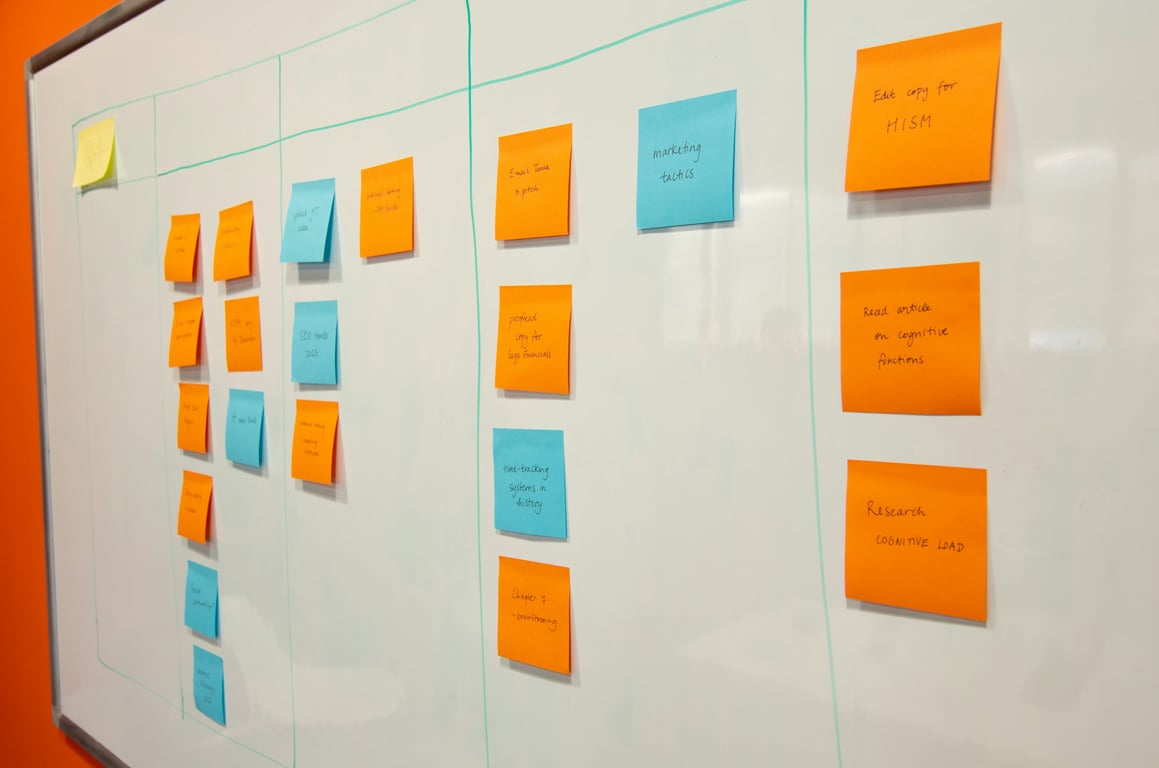
Photo by Christopher Gower on Unsplash
Why Zaps stop scaling (and what actually breaks)
No-code tools like Zapier and Make are perfect for prototypes and lightweight ops automation. But agencies start feeling pain when:
Workflows become mission-critical (downtime = revenue loss)
Error handling and retries get brittle or scattered
Data volume, rate limits, or edge cases create “it worked yesterday” failures
Multiple clients need similar logic, but each one requires slightly different mapping
The business needs ownership of IP, not a pile of fragile automations
At that stage, custom code isn’t a luxury—it’s how you make delivery reliable and maintainable.
The shift: from “automation agency” to “code shop” (without losing your edge)
The goal isn’t to become a generic dev shop. The goal is to keep your automation advantage—systems thinking, integrations, speed—while adding:
The rule: you’re selling outcomes, not “coding hours”
Your offer should describe:
what inputs you need
what you will deliver
what’s explicitly out of scope
how changes are handled
Step 2: Vet dev partners like your margin depends on it (because it does)
If you’re building a code shop with contractors or a partner team, your biggest risk is “unbounded delivery.” Vet for:
ability to scope and ask the right questions early
communication cadence and quality of written updates
comfort building things that don’t exist yet (not just CRUD apps)
willingness to screen-share and walk through requirements live
references for pixel-perfect implementation (when design matters)
Practical vetting moves
Start with a small paid pilot (1–2 week project)
Require a written scope doc before build begins
Ask for a sample of their QA checklist and release process
Get a short Loom walkthrough of architecture decisions at the end
Step 3: Run delivery like a product team (even if you’re tiny)
The biggest difference between fragile custom work and scalable custom work is process.
Minimum viable delivery system
Intake: requirements call + access checklist
Scope: written scope of work (SOW) with deliverables + exclusions
Build: tickets, milestones, and weekly demos
QA: staging environment + test cases + regression checklist
Release: release notes, rollback plan, and monitoring
Handoff: docs + short training + support window
Your QA doesn’t need to be heavy—just consistent
A simple QA standard can include:
happy path test
edge case test (nulls, duplicates, missing fields)
rate limit behavior
retries + idempotency checks
alerting for failures
Step 4: Price like a shop, not like a freelancer
Your pricing model should match the nature of the work.
Common models
Fixed-scope package (best for productized offers)
Milestone-based fixed price (best for phased builds)
Retainer for ongoing improvements (best for “always evolving” systems)
Protect your margin with change control
Make it normal to say:
“That’s a great idea. It’s out of scope for this phase—do you want it as a change order, or should we park it for Phase 2?”
This keeps relationships positive while keeping delivery predictable.
Step 5: Communicate like a pro (clients don’t fear code—they fear uncertainty)
Clients don’t need constant pings. They need:
a clear plan
predictable updates
proof of progress
a path for changes
A simple weekly update template
What shipped this week
What’s next
Blockers / decisions needed
Risks and how we’re mitigating them
Tools and platforms you’ll likely touch (and when)
Zapier (great for lightweight workflows and quick wins): Zapier
Make (great for more complex no-code logic and routing): Make
Cloudflare (useful for hosting, workers, and edge reliability): Cloudflare
Vercel (useful for web apps and fast deployments): Vercel
A 30-day roadmap to launch your “custom code shop” offering
Week 1: Pick the offer + define scope
Choose one productized offer
Write a 1-page SOW template
Define QA checklist and release checklist
Week 2: Build your delivery system
Repo template + environments
Basic monitoring/alerting
Weekly demo cadence
Week 3: Run a paid pilot
Price it to learn (but still protect margin)
Document everything you wish you’d known earlier
Week 4: Turn the pilot into a repeatable package
Convert what you built into reusable modules
Create a repeatable intake form + access checklist
Write the sales page narrative and FAQs
Get help building this
Building a custom code delivery system usually breaks at the scope and QA stages—when the work sprawls beyond what was agreed and the team scrambles to catch issues before launch. If you've hit that wall, book a ZoomFlow session—one of our consultants can work through your delivery model with you live and help you ship the working version without the chaos.
Build a practical Cognito to Notion CRM integration with Zapier, CSV migration, Gmail filtering, and views that keep quotes, owners, and follow-ups organized.
A small nonprofit connected fundraiser, school, and sponsor sign-up forms to Salesforce with Zapier, merged duplicate workflows, and added error alerts.