If you’re copy-pasting snippets from old docs (or worse: Slack), a Notion code snippets database gives you one place to store code, keep it current, and grab the right snippet with one click.
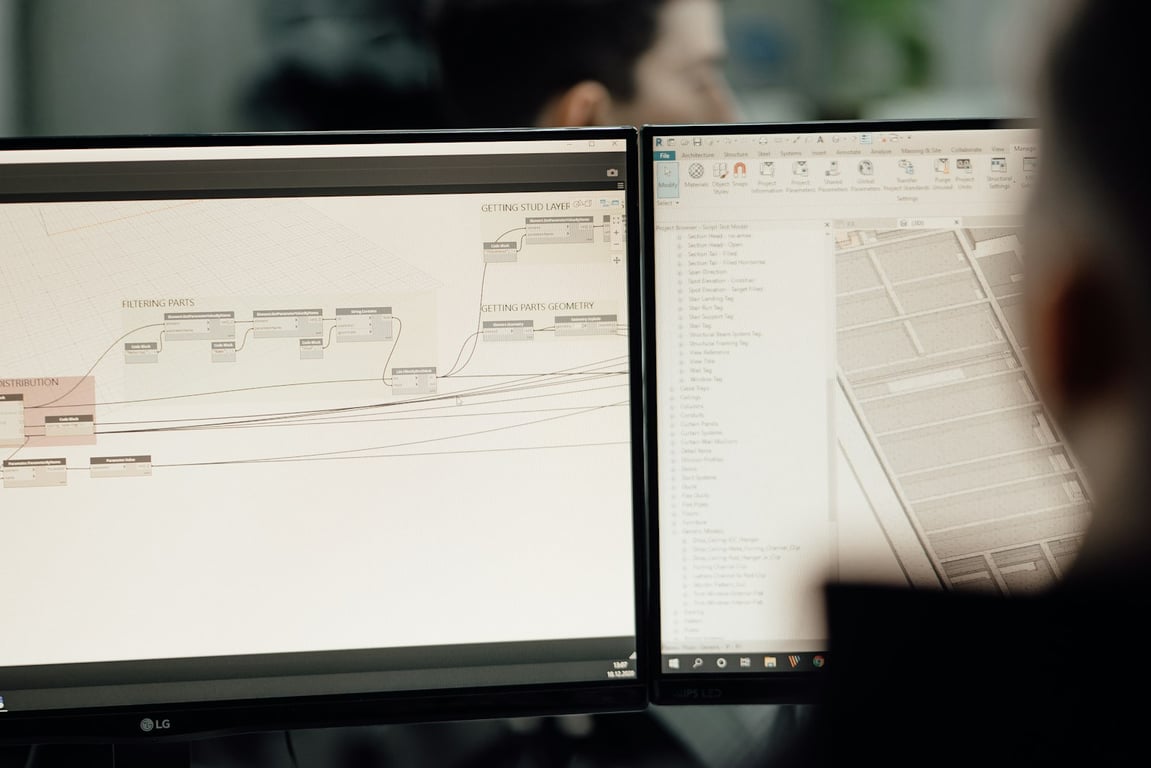
Notion code snippets database: keep reusable code in one place. Photo by Chris Ried on Unsplash
Usage / Notes: “Used on the marketing team page template; replace placeholders.”
Source URL: the live page (or the canonical spec doc)
How to keep links “live” in Notion
A practical trick is to store two URL fields:
Source URL: canonical reference (where the snippet originated)
Where used URL: the page where this snippet is currently implemented
Then, in docs and SOPs, link to the snippet record for maintenance. When your team needs a public link, they grab the URL property.
Important constraints: schema markup + scripts
Not all snippet types behave the same once they hit your website builder:
Schema markup: Google accepts JSON-LD in the page head or body, but your builder has to let you add it without stripping the script tag.
Scripts: many builders restrict script placement or sanitize markup. Before you standardize on a snippet, confirm your site system supports injecting it into head/body and whether it runs on all pages or only specific templates.
Stop snippet drift
If your team already uses Notion for documentation, a snippets database is one of the simplest ways to stop “snippet drift”: multiple almost-identical copies that never get updated. The same owner, status, and review pattern also works for the rest of your operations systems, from SOPs to templates.
Get help building your Notion snippet library
If you want a Notion code snippets database with approvals, ownership, and review reminders built in, we can set it up with your team. Connex consultants build Notion systems that people actually keep current. Book a free discovery call and we’ll map out the structure together.
See how a ~80-person UK signage manufacturer used Quickbase and SharePoint to launch rollout programmes from a template and track every site in one dashboard.
Embed a Notion view in Google Slides for auto-updating decks: build a filtered view, then link it, screenshot it, add a live frame, or rebuild it with Zapier.